
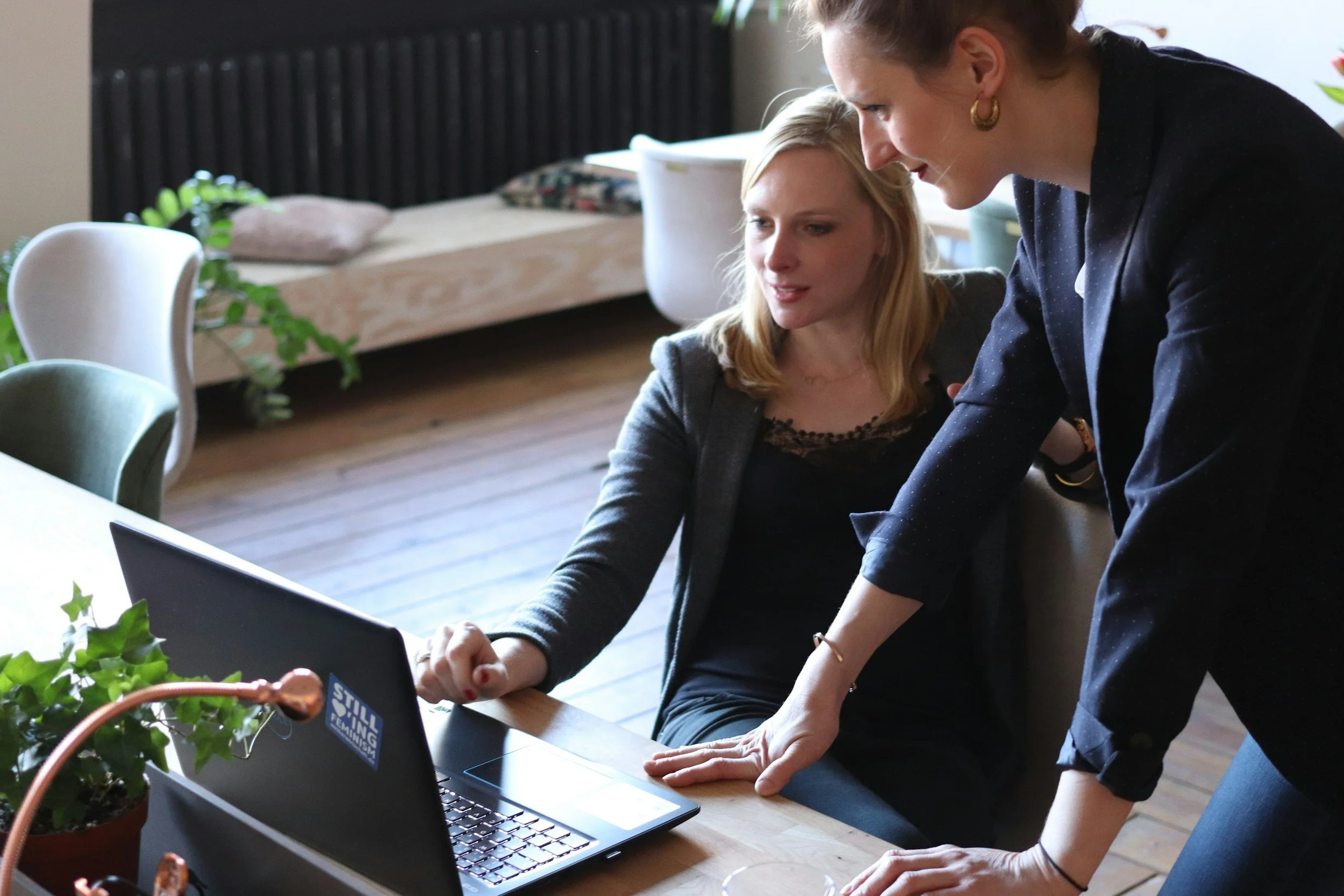
You have the talent. Now let's build them to be ready for what's next.
I'll work with you to identify future leaders, shape a development path curated to your company’s needs, and set your team up to achieve its potential.
You've built a strong team. These are the leaders you want by your side as you continue growing your organization. But figuring out how to meaningfully invest in their growth and development is the challenging part. Without a clear plan, your best talent may get stalled, stuck, or decide to leave. That’s where I come in.

Bridge the Gap
You have people who are eager to grow and do more, but you're not sure how to support them in getting there.

Define the Roadmap
Your team wants to know what growth in your org looks like, but career paths are unclear.

Secure your Bench
You know certain roles are critical to the future, but you haven't figured out who fills them.
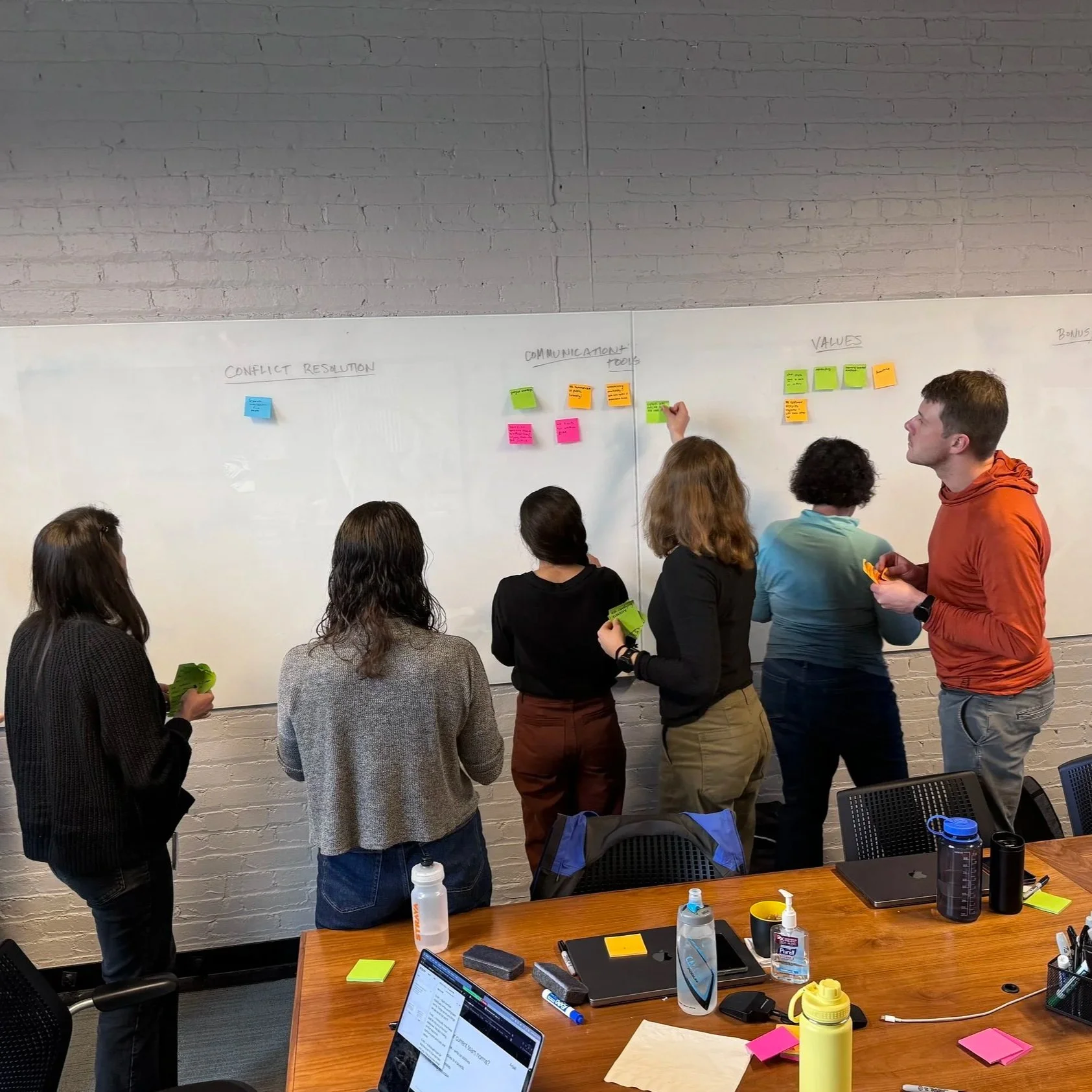
Why organizational and talent development strategy matters so much to me
I was the high-potential talent that needed developing, and later spent years leading and growing teams as an executive. As a leader, I repeated what I valued from those who invested in me and built new practices based on what I'd wished I had more of. I spent over a decade at Tuck because our mission mirrored my own: helping smart, motivated people realize their fullest potential. I've lived talent development from every angle, and that's given me the wisdom and empathy to design transformative experiences for high-caliber teams.
“I know I speak for many when I say you had a profound impact in making Strava a great workplace by supporting meaningful professional and personal development for so many of us.”
Former Director of Marketing, Strava
Developing Great Managers: A Case Study
The Challenge
When I joined Strava, the engagement data was telling a clear story: people didn't feel great about their managers. The leadership team knew it needed to change, and one of my first charges was to figure out how.
The Solution
I started by listening to learn and understand where the gaps existed. We built a program to work for the way Strava operated: not a one-size-fits-all program, but something curated to meet the specific needs of the team. First, I designed and launched a 90-minute course called "Great Managers at Strava Are..." built around a simple idea: great managers are coaches, leaders, and multipliers, and I drew examples from current Strava leaders and externally validated experts. We kept the momentum going with monthly manager workshops — part learning, part coaching, part creating space for managers to support each other.
The Result
A year in, over 80% of Strava's managers had completed the course. Confidence in manager performance jumped more than 10 percentage points. What stuck with me most was watching the manager cohort shift from operating in silos to leaning on each other for support and guidance. Not only had we helped them uplevel their abilities, we created a leadership community.
"Her work to achieve our stated goal of investing in managers created a step-function improvement in our managers' skills by year end. The manager work — including feedback upleveling, coaching, opening up trust and communication among our managers — was top notch and we were in a much better place as a workforce because of Gina's leadership."
— C-suite leader, Strava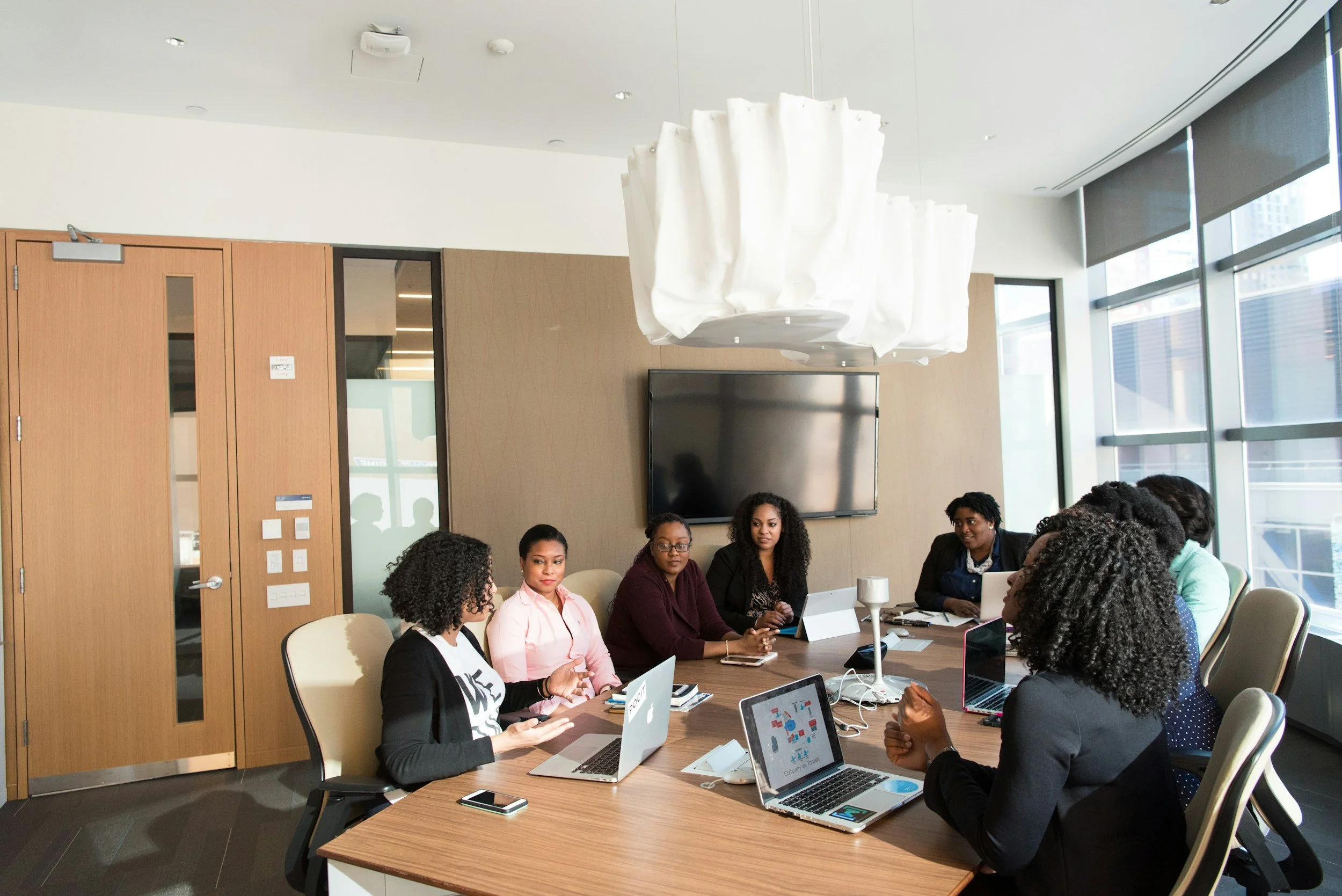
You Might Be Wondering…
-
HR does so much to keep the day-to-day running smoothly, and some of my favorite work has been collaborating with strong HR leaders. Building a leadership pipeline and figuring out who's next is a different kind of work. It requires someone who can zoom out, look at the whole picture, and build a strategy around where your company is actually going.
-
Building trust quickly is one of the things I do best. I get very curious, ask lots of questions, and listen to understand context before I suggest anything. I focus on showing up, being useful fast, and the trust follows.
-
It might feel like the talent market is working in your favor right now. And in some ways, it is. But replacing someone terrific isn't free, even when the pool is deep. Onboarding and building trust require time and careful investment. The loss of institutional knowledge can take years to build back. Investing in the people you have today is almost always the smarter play.
-
That's where a lot of teams start, and it's a great place to start. The first thing we do together is a diagnostic. We look at where you are, where you're trying to go, and where the gaps live. You don't need to have the answers before we begin: we will collaborate and work toward them together.
Ready to Talk About Your Team?
Every engagement is different because every organization is different. You can expect a hands-on, collaborative process — from diagnostic and assessment through to building out development plans, succession frameworks, and the support to actually make them stick.